Comparison
French Press vs Pour Over: Which Brewing Method Is Right for You?
Published: 2026-04-06 · Updated: 2026-04-06
French press and pour over sit at opposite ends of the brewing spectrum. One is hands-off and forgiving, the other rewards attention and technique. Both produce excellent coffee, but the experience and the cup they deliver are remarkably different.
How Each Method Works
French Press: Immersion Brewing
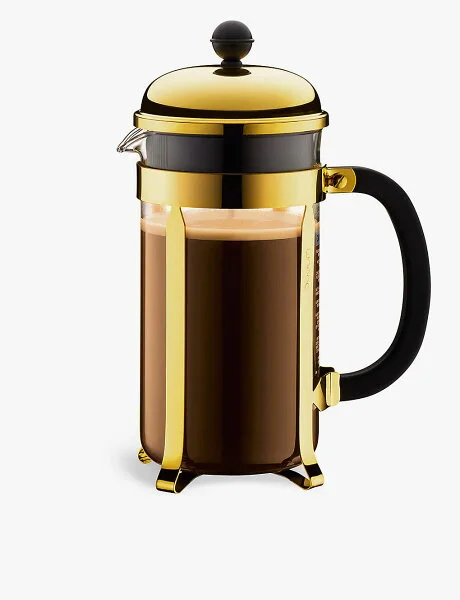
The French press is the simplest full-immersion brewer. You add coarse-ground coffee, pour hot water, wait four minutes, and press the metal mesh plunger down to separate the grounds from the liquid. The coffee steeps freely in the water the entire time, extracting oils and fine particles that paper filters would trap.
Pour Over: Percolation Brewing
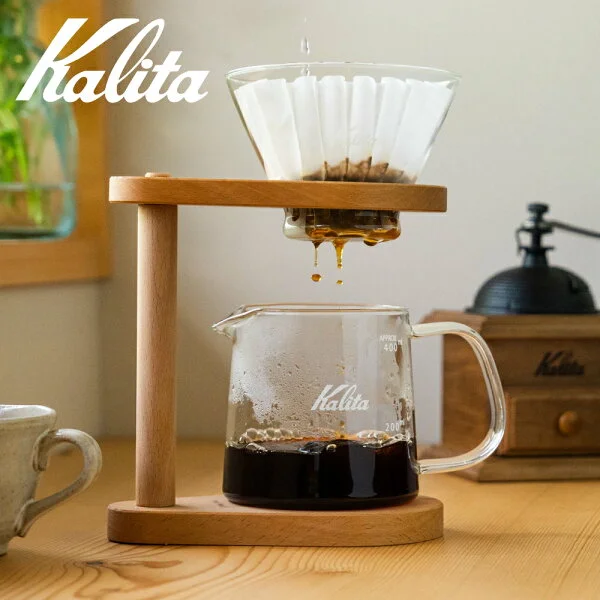
Pour over is a percolation method where you continuously pour water over a bed of medium-fine grounds held in a paper or cloth filter. Gravity pulls the water through the coffee and into your cup below. The paper filter absorbs oils and catches sediment, producing a noticeably different texture.
Taste Profile Differences
French Press: Full Body, Rich Oils
French press coffee is heavy, round, and textured. The metal mesh allows natural coffee oils to pass into your cup, giving it a velvety mouthfeel and deeper sweetness. You’ll also notice a slight sediment at the bottom — that’s normal and part of the character. Dark and medium roasts shine here, delivering chocolate, caramel, and nutty depth.
Pour Over: Clean Cup, Bright Clarity
Pour over strips away oils and sediment, leaving a transparent, tea-like body that highlights acidity and delicate flavor notes. Fruity, floral, and citrus characteristics become far more pronounced. Light-roasted single-origin beans are where pour over truly excels.
Ease of Use
French Press: 5/5 — Grind, pour, wait, press. There is almost no technique to master. If you can boil water, you can make good French press coffee on your first attempt.
Pour Over: 3/5 — Your pour speed, grind size, and water temperature all matter. Beginners can expect inconsistent results until they develop a feel for the process, usually after 10-15 brews.
Equipment You’ll Need
French Press Setup
- French press (e.g., Bodum Chambord): $25-40
- Coffee grinder (coarse setting): $30-80
- Kettle (any type works): $15-40
- Total entry cost: $70-160
Pour Over Setup
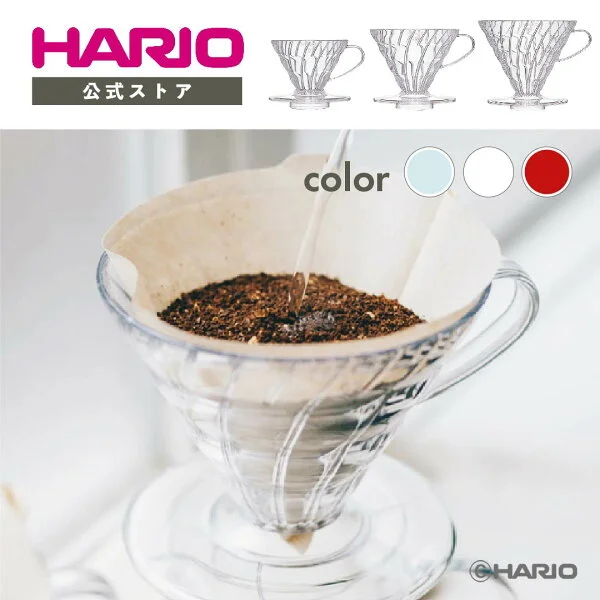
- Dripper (e.g., Hario V60 or Kalita Wave): $25-40
- Paper filters (ongoing cost): $7-10 per 100
- Gooseneck kettle (important for control): $35-80
- Coffee grinder (medium-fine setting): $30-80
- Scale with timer (recommended): $20-50
- Total entry cost: $110-250
Time Investment
French press takes about 5 minutes total — 30 seconds to set up, 4 minutes to steep, and a quick press. Pour over runs 4-6 minutes including setup, with 2-3 minutes of active pouring that requires your full attention. Neither method is slow, but French press lets you walk away during brewing.
Cost Comparison
French press wins on ongoing costs. There are no disposable filters to buy, and the brewer itself lasts for years. Pour over requires a steady supply of paper filters, though at roughly $0.08 per cup, it’s hardly expensive. The bigger cost difference is the gooseneck kettle and scale that pour over practically requires.
Which Is Better for Beginners?
French press is the easier entry point by a wide margin. The technique is forgiving, the equipment list is shorter, and the results are immediately satisfying. Pour over is more rewarding long-term, but it asks you to develop skills before it delivers its best cups.
If you’re new to specialty coffee and want to start tasting what good beans can do, begin with a French press. Once you’re comfortable with grind sizes and ratios, add a pour over setup to your rotation.
Our Verdict
This isn’t a question of better or worse — it’s a question of what you value. French press delivers comfort, body, and simplicity. Pour over delivers clarity, nuance, and a ritual that many coffee lovers find meditative.
For lazy weekend mornings, reach for the French press. For that single-origin Ethiopian you want to explore in full detail, set up the pour over. The best home coffee setup includes both.
☕ Featured Gear in This Article